

Both PET and PLA tableware are now widely used.
Is PLA more biodegradable than PET?Is PLA more biodegradable than PET?
The short answer is : YES.
Here are the difference bewteen PET and PLA:
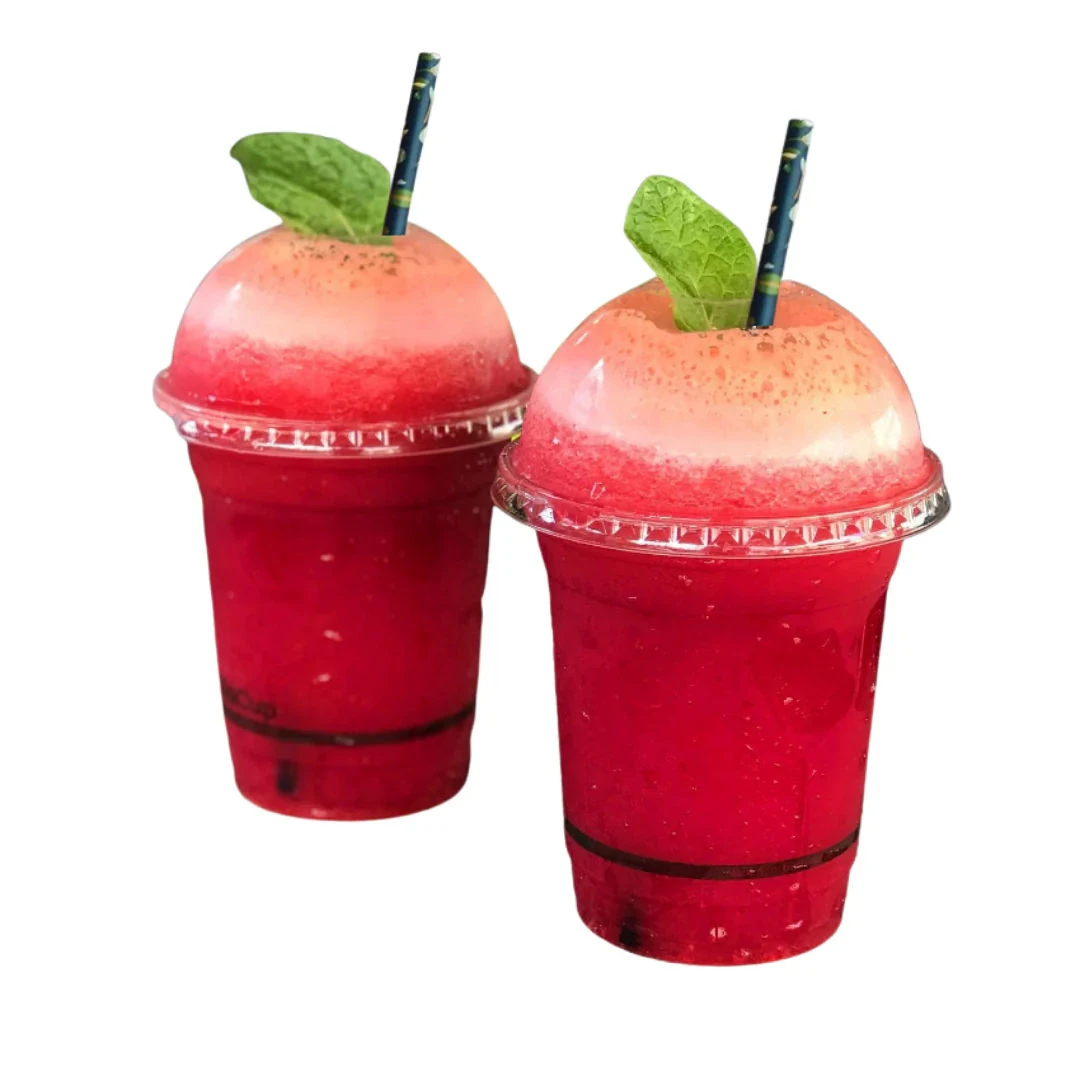

PET, or Polyethylene Terephthalate, is a plastic commonly used in soda bottles and food containers. It's renowned for its strength, transparency, and versatility.
Pros: Durability: PET is incredibly strong and resilient.
Recyclability: PET is highly recyclable and widely accepted in recycling programs. In fact, PET bottles can be recycled into new bottles, textiles, and more.
Safety: PET is considered safe for drinking water and other beverages, making it a popular choice for food-grade containers. Cost-Effectiveness: PET is cost-efficient, making it a favorite for manufacturers
Environmental Impact: While PET is recyclable, not all of it gets recycled. A significant portion ends up in landfills, contributing to pollution. However, PET's production process has a relatively low carbon footprint compared to other plastics.
PLA, or Polylactic Acid, is a bioplastic made from renewable resources like corn starch and sugarcane. It's designed to be compostable, making it an eco-friendly alternative to traditional plastics.
Pros: Biodegradability: PLA breaks down naturally under the right conditions, making it a great option for single-use items.
Renewable Sources: PLA is made from plants, reducing our reliance on fossil fuels. Lower Carbon Footprint:
The production of PLA generates fewer greenhouse gases compared to traditional plastics.
Environmental Impact:
While PLA is compostable, it requires specific industrial composting facilities to break down properly.