


Why Choose bamboo cutlery?
Bamboo cutlery is flatware, including forks, knives, and spoons, made from sustainable plant - bamboo. Bamboo is a sustainably growing plant. So it will not cause ecological and environmental damage.
It is also durable enough for many foods; unlike some plastic tableware that breaks after just a few uses.And after use, if can be buried in the soil, then turn into fertilizer over time without causing any environmental pollution so it’s a popular choice for a variety of applications,home use.
Common sizes are 6, 7, and 8 inches. Both retails packages and large packages can be customized.
It is biodegradable and compostable, and it can be made reusable or disposable, depending on the product's design and intended use.
Products Of Biodegradable Cutlery
-
![Bamboo Forks Disposable]() Bamboo Forks DisposableItem:Disposable Bamboo CutlerySize:6,6.5,7inch or customized. Color:original. Material:Woodread more
Bamboo Forks DisposableItem:Disposable Bamboo CutlerySize:6,6.5,7inch or customized. Color:original. Material:Woodread more -
![Disposable Bamboo Cutlery]() Disposable Bamboo CutleryItem:Disposable Bamboo CutlerySize:6,6.5,7inch or customized. Color:original. Material:Woodread more
Disposable Bamboo CutleryItem:Disposable Bamboo CutlerySize:6,6.5,7inch or customized. Color:original. Material:Woodread more -
![Bamboo Disposable Utensils]() Bamboo Disposable UtensilsItem:Bamboo Disposable UtensilsSize:6,6.5,7inch or customized. Color:original. Material:Woodenread more
Bamboo Disposable UtensilsItem:Bamboo Disposable UtensilsSize:6,6.5,7inch or customized. Color:original. Material:Woodenread more -
![Compostable Bamboo Cutlery]() Compostable Bamboo CutlerySize:6,6.5,7inch or customized. Color:original. Material:Woodenread more
Compostable Bamboo CutlerySize:6,6.5,7inch or customized. Color:original. Material:Woodenread more -
![Bamboo Cutlery Kit]() Bamboo Cutlery KitSize:6,6.5,7inch or customizedColor:White or CustomizedMaterial:Sugaranceread more
Bamboo Cutlery KitSize:6,6.5,7inch or customizedColor:White or CustomizedMaterial:Sugaranceread more -
![Reusable Bamboo Cutlery Set]() Reusable Bamboo Cutlery SetSize:6,6.5,7inch or customizedColor:White or CustomizedMaterial:Sugaranceread more
Reusable Bamboo Cutlery SetSize:6,6.5,7inch or customizedColor:White or CustomizedMaterial:Sugaranceread more -
![Bamboo Cutlery]() Bamboo CutleryBiodegradable and compostable Suitable for hot and cold foods Microwave and refrigerator safe Better alternative to traditional plastic and foam products.read more
Bamboo CutleryBiodegradable and compostable Suitable for hot and cold foods Microwave and refrigerator safe Better alternative to traditional plastic and foam products.read more -
![Biodegradable Disposable Bamboo Cutlery]() Biodegradable Disposable Bamboo CutlerySize:6,6.5,7inch or customizedColor:White or CustomizedMaterial:Sugaranceread more
Biodegradable Disposable Bamboo CutlerySize:6,6.5,7inch or customizedColor:White or CustomizedMaterial:Sugaranceread more


Benefits of Bamboo Cutleries
Good with the environment
Bamboo is actually a grass that can be used in many similar ways as you would with wood. That means we have fewer reasons to cut down trees. Thus, the utensils made from bamboo are eco-friendly with the environment. Bamboo is organic so that makes it a safe material alternative to use in the kitchen.
Easy to carry
Even when it comes to going out for a picnic and having fun with family, the easiest and lightweight utensils are the ones made from bamboo. They are easy to wash and convenient to carry. Bamboo made utensils are a good fit in every way.
Long-lasting
The durability of the product is long-lasting without breaking or cracking. With minimal care and daily usage, the utensils can survive a long way with due care. Thus, bamboo cutleries can work just as well as compared to wooden or steel utensils.
Stain and smell proof
Unlike the utensils that are made of steel or wood, the bamboo cutleries do not have any stain problem nor do they retain any smell. With an easy wash from any liquid cleaner, the utensils can be stored and kept safe without any germs and bacteria.
Smooth surface
The bamboo cutleries are made in a way that they remain smooth for quite a long time, unlike the woodblock utensils. These utensils are rubbed and painted to retain their smooth surface which prevents the surface from being porous. A porous surface attracts and absorbs germs and bacteria.
Classic appearance
As far as appearances, no other kind of utensils can beat the look of bamboo cutleries. They have a simple yet classic appearance. When bamboo products are processed and formed certain oils and sheets are used to rub the surface giving them a nice shape and polished surface.
Budget-friendly
Bamboo cutleries will fit a frugal budget. Should you need a replacement you won't feel a pinch in your pocket. Kitchen utensils made of other materials are usually a matched set. If one gets damaged and the design is no longer in stock your replacement will create a mismatched set. Not so with bamboo and they all match up beautifully.
Friendly with non-stick cookware
Not every utensil is friendly with other cookware. A steel utensil cannot work with non-stick cookware, else it will scratch the surface. Bamboo cutleries work the best with them, they do not harm the surface and also extend the life of both types of utensils.
Why Choose us
Rich Experience
Our company has many years of production work experience. The concept of customer-oriented and win-win cooperation makes the company more mature and stronger.
High Quality
Our products are manufactured or executed to very high standards, using the finest materials and manufacturing processes.
One-stop Solution
With rich experience and one-to-one service,we can help you choose products and answer technical questions.
Competitive Price
We have professional sourcing team and cost accounting team, stive to reduce cost and profit and provide you a good price.

There are two different ways to make bamboo cutleries. They are either made from one piece of bamboo or from gluing multiple bamboo strips together.
Natural bamboo cutleries made from one whole piece of bamboo is first carved into its desired shape, followed by a sanding process to ensure a smooth surface. Then, the cutlery will be disinfected and washed before layering with oil to give them a glossy and attractive appearance.
With the other method, bamboo stems are first cut into pieces, carbonized, and then glued together using food-safe glue.
The first method is more preferred as it is 100% chemical-free, stronger, and more resistant to cracking or splitting.
However, it requires more effort to produce as well. It takes much skill to secure the shape of the cutlery so that they do not break easily.
How to Care for Bamboo Cutleries
Handwash Bamboo Cutleries for best results
While our bamboo cutleries are dishwasher safe, we recommend handwashing them to extend their life. Dishwashing is far less gentle than handwashing and uses high temperatures to sanitize and dry. Other types of laminated or glued bamboo cookware made from several pieces can actually come apart in the dishwasher. Because our utensils are always made from a single piece of bamboo, they won’t. However, due to the drying effects of dishwashing, we’d still recommend handwashing to keep your bamboo kitchen utensils healthy. If your bamboo cookware does end up in the dishwasher, keep it protected with consistent applications of wood oil.
Refrain from soaking bamboo
If you tend to toss dishes in the sink to soak after cooking a meal, find a different spot to keep your bamboo cookware. Soaking bamboo cutleries for extended periods of time can cause them to become discolored or to warp in strange ways. Keep your eco-friendly utensils clear of cracks and discoloration by either leaving bamboo cutleries on a special rack after cooking or by washing them quickly after use.
Using wood oil on bamboo cookware and cutting boards
Proper everyday care and cleaning of bamboo cutleries are the most important ways to keep your eco-friendly bamboo cooking utensils and bamboo cutting boards looking great for years to come. Your utensils are meant to be well-used daily cooking items, so a little extra TLC every now and then is needed. To best preserve your bamboo cookware, supplement your daily care with specially formulated bamboo and wood oil. Applying a finishing wood oil to bamboo cutleries rehydrates your bamboo and gives it a barrier to keep moisture out.
How to Apply Wood oil to Bamboo Cutleries
To prevent your bamboo cutleries or cutting boards from drying out, apply wood oil monthly. Don't use your bamboo cookware as frequently? Apply wood oil when your utensils are starting to look dry or after big events.
To oil your utensils, first shake the bottle of wood oil to mix, then pour a capful onto a cloth. Rub into the bamboo using small circular motions. Let the wood oil sit and dry for at least 10 minutes (preferably, overnight). If possible, let freshly oiled bamboo cookware dry as evenly as possible on each side by leaving it standing or propped. One enough time has passed, wipe off any excess wood oil and enjoy rejuvenated bamboo cutleries that are as good as new!
If you cook with certain foods, your bamboo cutleries may show some stains. Turmeric, curry, and beets often stain natural cookware (and any white clothes you're wearing). To minimize this, clean your bamboo quickly after use with foods that often stain. Keeping your bamboo cutleries well oiled will also help them maintain a barrier that keeps stains from permeating. If you do end up with a stubborn stain, here's what to do.
As quickly as possible once you notice a stain, treat it with lemon juice and baking soda. Cut a lemon in half and squeeze the juice into a bowl, then mix in about a teaspoon of baking soda. Mix together to make a paste. Use a soft bristle brush or towel to rub the baking soda paste onto the stain with a circular motion for about a minute. For extra tough stains, let sit for an extra minute. Then rinse and re-hydrate bamboo with a coat of finishing oil.
If an older stain isn't budging with this treatment, use fine-grain sandpaper to gently sand down the area. This will remove the stained wood. Use very light pressure when sanding so you only remove the bamboo that's needed. After sanding, ensure there are no splinters or uneven areas. Then treat with finishing oil.
While bamboo cutleries need a little extra TLC, the result is a long lasting, all-natural kitchen tool. In comparison to plastic cutting boards or utensils, bamboo cookware can be re-finished as it ages. It's resistant to deep cuts and scratches that often make plastic cutting boards a breeding ground for bacteria. And, it's forgiving enough to keep your knives sharp for longer. Add to that the eco-friendly benefits of choosing an all natural, renewable material, and it's easy to see why bamboo cutleries and cutting boards have quickly become a staple in many kitchens. Once you learn the basics of how to care for bamboo cutleries, it'll quickly become part of your kitchen routine!
Not just any oil is suitable for use as a bamboo and wood oil. Cooking oils like vegetable, olive, coconut, and walnut oil should not be used to treat bamboo. They'll easily go rancid. This results in bamboo cookware that smells bad. And leaves an unpleasant taste and smell on any food your bamboo kitchen supplies come into contact with. Instead, find a wood oil that's formulated for use on bamboo products.
Mineral oil is often suggested as the best wood oil to use on bamboo cutleries. But the negative impacts of its production process cannot be ignored. As a petroleum by-product, mineral oil has a much larger environmental footprint than all-natural, plant-based alternatives. Instead of petroleum based oil, opt for an eco-friendly wood oil made with natural ingredients like Linseed and Tung oil and beeswax. This will keep your bamboo in great condition. And leave your kitchen free of unsustainable substances.
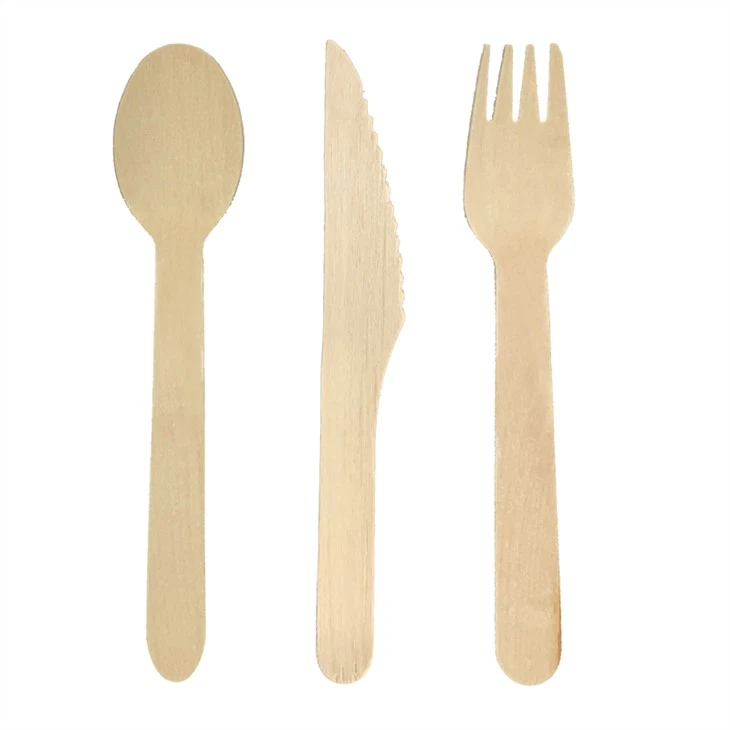
Why Can't Bamboo Cutleries Be Used in Dishwashers?
Bamboo can lose its natural color.
Bamboo cutleries is often chosen for its natural beauty. However, placing bamboo cutleries in a dishwasher can cause it to lose its natural color. Dishwashing detergents can strip the bamboo of its natural oils, causing it to become dull and lackluster. In addition, the high temperatures of a dishwasher can cause the bamboo to fade or discolor.
Bamboo can become splintery.
Placing bamboo cutleries in a dishwasher can also cause it to become splintery. When bamboo is exposed to water and detergent, the fibers of the wood can swell and break apart. This can make the tableware uncomfortable to use and can also pose a safety hazard if the splinters are sharp.
Bamboo can swell and shrink.
Another reason why bamboo cutleries should not be placed in dishwashers is because bamboo is a natural material that can swell and shrink when exposed to water. When bamboo cutleries is placed in a dishwasher, it is exposed to large amounts of water and detergent. This can cause the tableware to swell and become misshapen. Over time, this swelling and shrinking can cause the tableware to crack or break.
Bamboo can become brittle.
Exposing bamboo cutleries to the high temperatures of a dishwasher can also cause it to become brittle. When bamboo is heated, the cellulose fibers in the wood start to disintegrate. This makes the tableware more susceptible to breaking and cracking, and eventually, it will become unusable.
Bamboo can lose its finish.
Dishwashing detergent can also strip the finish off of bamboo cutleries. A finish is a thin layer of protective material that is applied to the surface of the tableware. This finish helps to protect the tableware from stains, scratches, and other damage. However, when dishwashing detergent comes into contact with the finish, it can break down the material and cause it to lose its protective properties.
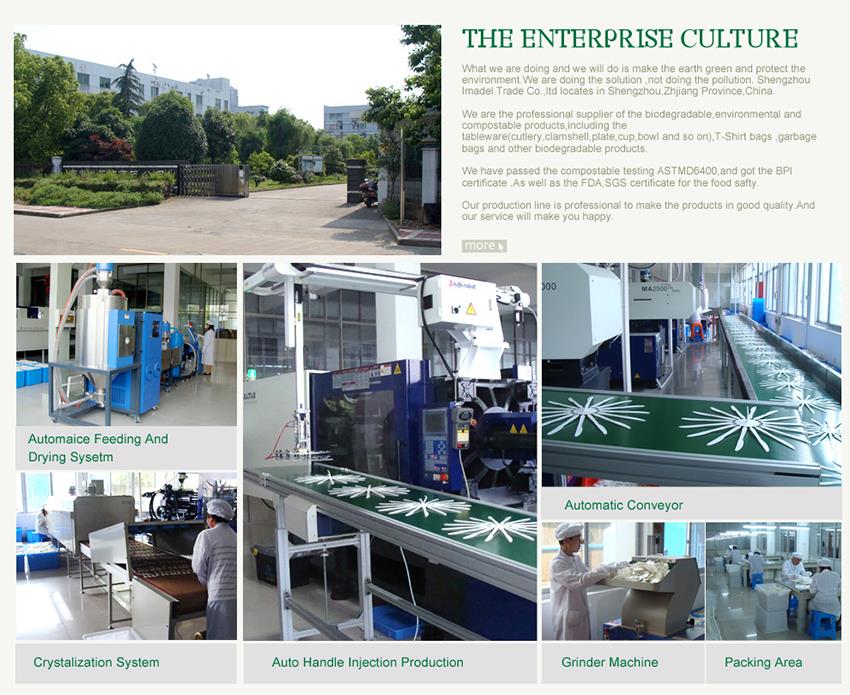
Our Factory
Shengzhou Imadel Trade Co.,Ltd was founded in 2012,is a company specializing in supplying 100% biodegradable and compostable products: CPLA cutlery; Sugarcane plate, bowl and clamshell; bags; paper cup; bamboo cutlery and plate.
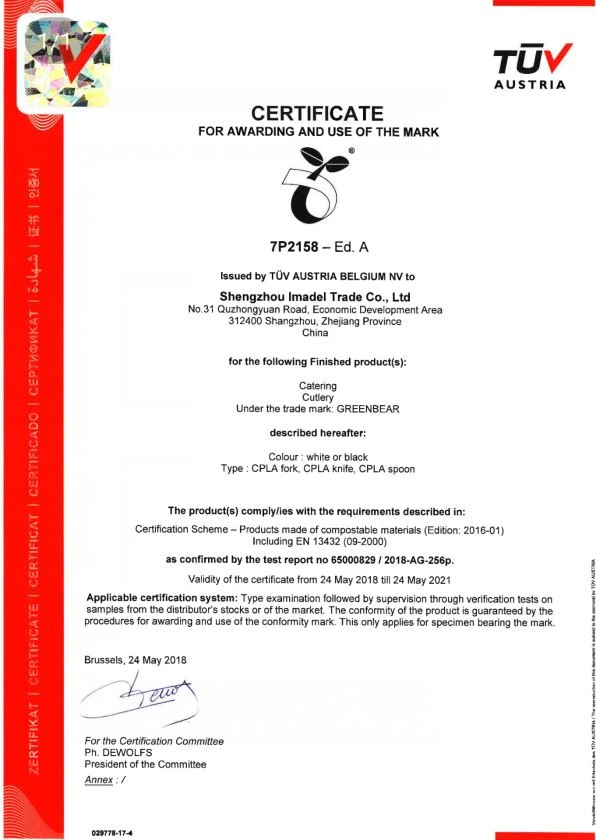
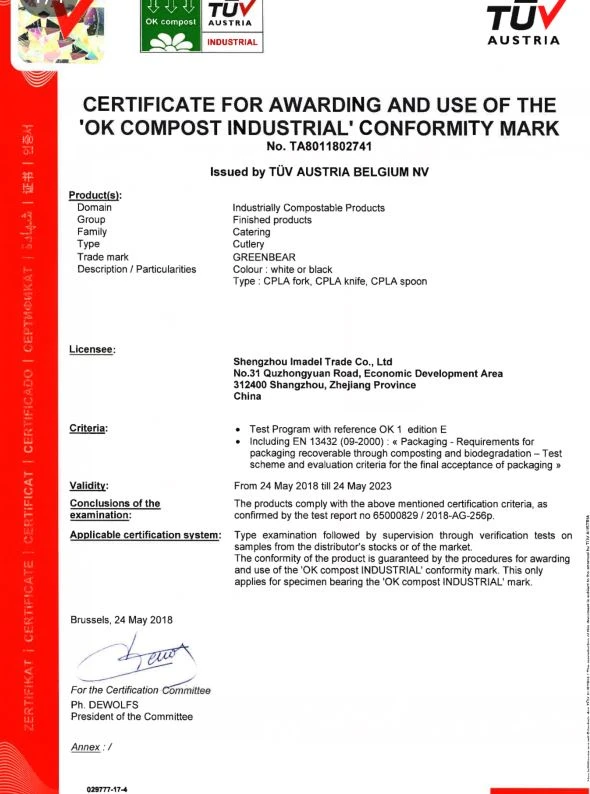
FDA,SGS certified for food safty, BPI and EN13432 certified for compost.
And our factory, Zhejiang Imadel Bio-Tech Co.,Ltd is specially in producing the 100% biodegradable and compostable CPLA cutlery.
Our main market is North America, South America, and Europe.
Our Certificate
FAQ
Q: How do you take care of bamboo cutleries?
Use a mild soap and clean scrub. ...
Rinse well and pat them till dry.
Leave in standing or on a dish cloth until it completely dries.
Q: Can I wash and reuse bamboo cutleries?
Q: How durable is bamboo cutleries?
Q: How long does it take for bamboo cutleries to decompose?
Q: Do bamboo spoons need to be oiled?
Q: Do bamboo cutleries need to be oiled?
Q: How often should you replace bamboo cutleries?
Q: How do you keep bamboo cutleries from molding?
Q: Can you put bamboo cutleries in the dishwasher?
Q: Should I boil my bamboo cutleries?
Q: Does bamboo crack over time?
Q: What is good about bamboo cutleries?
Q: Do bamboo cutleries get moldy?
Q: Is bamboo cutleries hygienic?
Q: Do bamboo cutleries hold bacteria?
Q: Are bamboo spoons reusable?
Q: Is bamboo cutleries waterproof?
Q: Is bamboo cutleries safe?
Q: Can I wash and reuse bamboo cutleries?
Q: How do you disinfect bamboo cutleries?
Welcome to wholesale high quality bamboo cutleries at competitive price from professional bamboo cutleries manufacturers and suppliers in China here. For more information, contact our factory.
Cornstarch Cutlery